<<Back to About Us
Cardinal Hickory Creek Transmission Line Project
The Project & DALC’s Rationale for Opposition
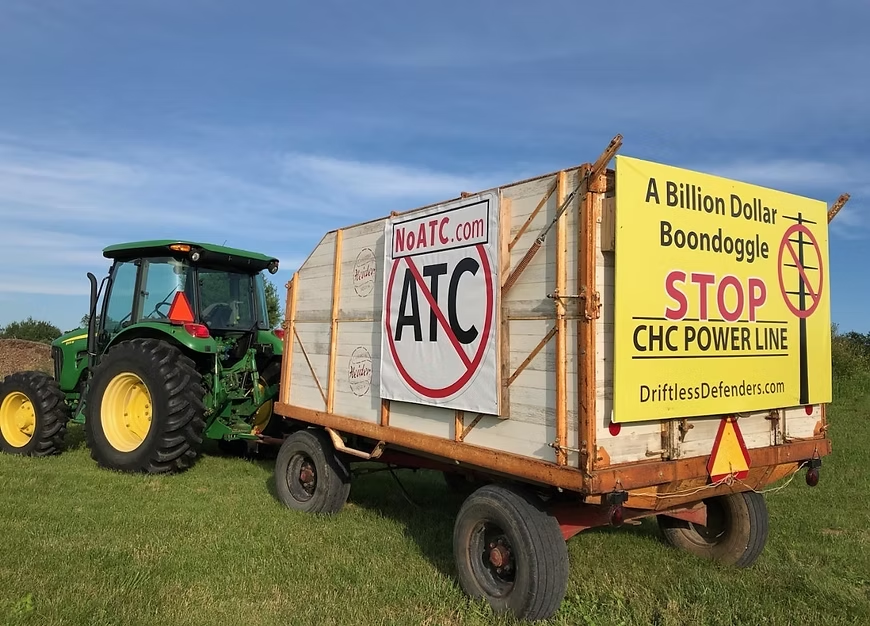
In the spring of 2016 Driftless Area Land Conservancy’s (DALC) staff and board became concerned about the proposed Cardinal-Hickory Creek (CHC) transmission line project. This high-voltage 345 kV line with up to 17-story tall towers would run approximately 125 miles through the heart of DALC’s service area from the Hickory Creek substation in Dubuque County, Iowa to the Cardinal substation in Middleton Wisconsin.
DALC’s concern centered on some key factors:
- CHC would cut through the protected Upper Mississippi River National Wildlife and Fish Refuge.
- The multiple proposed routes cut across vital conservation areas and scenic landscapes. Some routes violated conservation easements that DALC is legally obligated to protect.
- There was no demonstrated need in southern Wisconsin for the electricity the line would carry. And the line would primarily carry energy generated from fossil fuels, not wind or solar as the developers claimed.
The estimated cost was $500 million. Developers were guaranteed a 10.2% annual profit to be paid for by customers through utility rates. In sum, CHC would be an expensive environmentally destructive project that was not needed to “keep the lights on” for DALC constituents nor for Wisconsin ratepayers in general. In the spring of 2016, the DALC board decided to mount a formal opposition campaign against the CHC project with the goal of preventing it from going forward.
The project developers touted CHC as the final (and most expensive) component of a 17-line “Multi-Value” portfolio. Midcontinent Independent System Operator (MISO), the quasi-governmental grid operator for 15 states across the central U.S. and Manitoba designed and supported CHC. Given MISO’s stamp of approval, state regulators – the Wisconsin Public Service Commission, the Wisconsin Dept. of Natural Resources and others – were almost certain to approve the project. Historically, regardless of opposition efforts, MISO projects had inevitably gotten built.
Opposing such a project would be no small task. Nevertheless, in all likelihood, CHC would violate federal and state statues. Beyond that, DALC could not ignore the high environmental and economic costs the project would impose on the Driftless Area and stay true to its mission to “…maintain and enhance the health, diversity and beauty of Southwest Wisconsin’s natural and agricultural landscape…” DALC also correctly assumed there would be overwhelming public support for an organized opposition campaign. In short, opposing CHC was the right thing to do.
Strategy
To win in both the court of public opinion and in the court of law.
Tactics
Policy – Convince the Wisconsin Public Service Commission (WPSC) that they should not issue the Certificate of Public Convenience and Necessity (CPCN) giving the developers permission to move ahead on the project. The WPSC offers the public numerous opportunities to weigh in on projects going through the approval process.
Legal – DALC was extremely fortunate to have a premier, Midwest law firm, the Environmental Law and Policy Center (ELPC), offer pro bono legal services. If the CPCN is issued, ELPC will to file lawsuits challenging a host of legally questionable aspects of the project itself and of its approval by the WPSC.
Public Education and Support – Build a strong coalition of opposition groups and individuals to educate area residents and enlist them in voicing opposition to the project. NOTE: Besides the legal work, the ELPC team worked directly with DALC’s Transmission Line Committee (TLC) in planning the public outreach campaign.
– Coordinate initiatives with at least 4 ad hoc opposition groups
- Save Our Unique Land (SOUL) – SW Wisconsin based
- Driftless Defenders (DD) – Dodgeville area
- Western Dane Preservation Campaign (WDPC) – Mt. Horeb area
- Inter-Municipal Energy Planning Committee (IMEPC) – Township Coalition
- Local government outreach – attendance and presentations at township and county board meetings
– Letter writing, Op-ed pieces, Letters to the Editor campaigns
– Rallies, workshops, events, at least one press conference and one parade
– Meetings with editorial boards
Add Staffing – Hire a Community Organizer to coordinate the over-all campaign
Fundraising – Paying for outreach activities, additional staffing hours and expert witness testimonies for submission during the WPSC review process
Project Status
The CHC case is currently before the U.S. District Court for the Western District of Wisconsin. The parties have briefed concerning issues related to the land-swap that allowed CHC to cross the Upper Mississippi River National Wildlife and Fish Refuge. Summary judgment and appropriate remedies and are awaiting a final resolution from the court.
Media
“Backers…Foes…”– Chicago Tribune – Feb. 28, 2020 – Over-all project review and analysis Michael Hawthorne, a Pulitzer-finalist investigative reporter
“High Hopes” – Isthmus – April 25, 2019 – by Michael Lenehan – Chicago-based writer and editor
“Choice Between People and Profits” – Capitol Times – July 30, 2019 – Spencer Black, 26 years in the state legislature, chair of the Assembly Natural Resources Committee, vice president for conservation for the national Sierra Club and adjunct professor of planning at UW-Madison.
“Power Politics” – Isthmus – Aug. 29, 2019 – Michael Lenehan
“Power Line Construction Begins” – Wis. Public Radio – Nov. 9 2021
“Money for Nothing” – Isthmus – Nov.22, 2021 – Dave Cieslewicz served as mayor of Madison from 2003 to 2011 and blogs at Yellow Stripes & Dead Armadillos
Volunteer with Us!
Join us for monthly workdays to steward our beautiful nature preserves and trail systems. New volunteers are always welcome – no experience necessary!
Activating Your Superpower: Overcoming Challenges Through Partnerships
Learn how conservation partnerships are overcoming challenges through collaboration, prescribed fire education, land protection, and community stewardship.
Notes from the Field: The Power of Wisconsin Land Trusts
At the Wisconsin Land Trust Conference, land trusts from across the state gathered to collaborate and learn, with DALC staff contributing and connecting with peers in conservation.
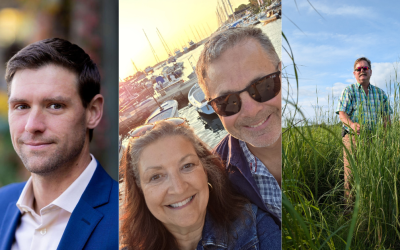
DALC Welcomes Three New Board Members
Driftless Area Land Conservancy is pleased to welcome new board members whose diverse backgrounds, local roots, and passion for the Driftless Area will help guide and strengthen our work in the years ahead.